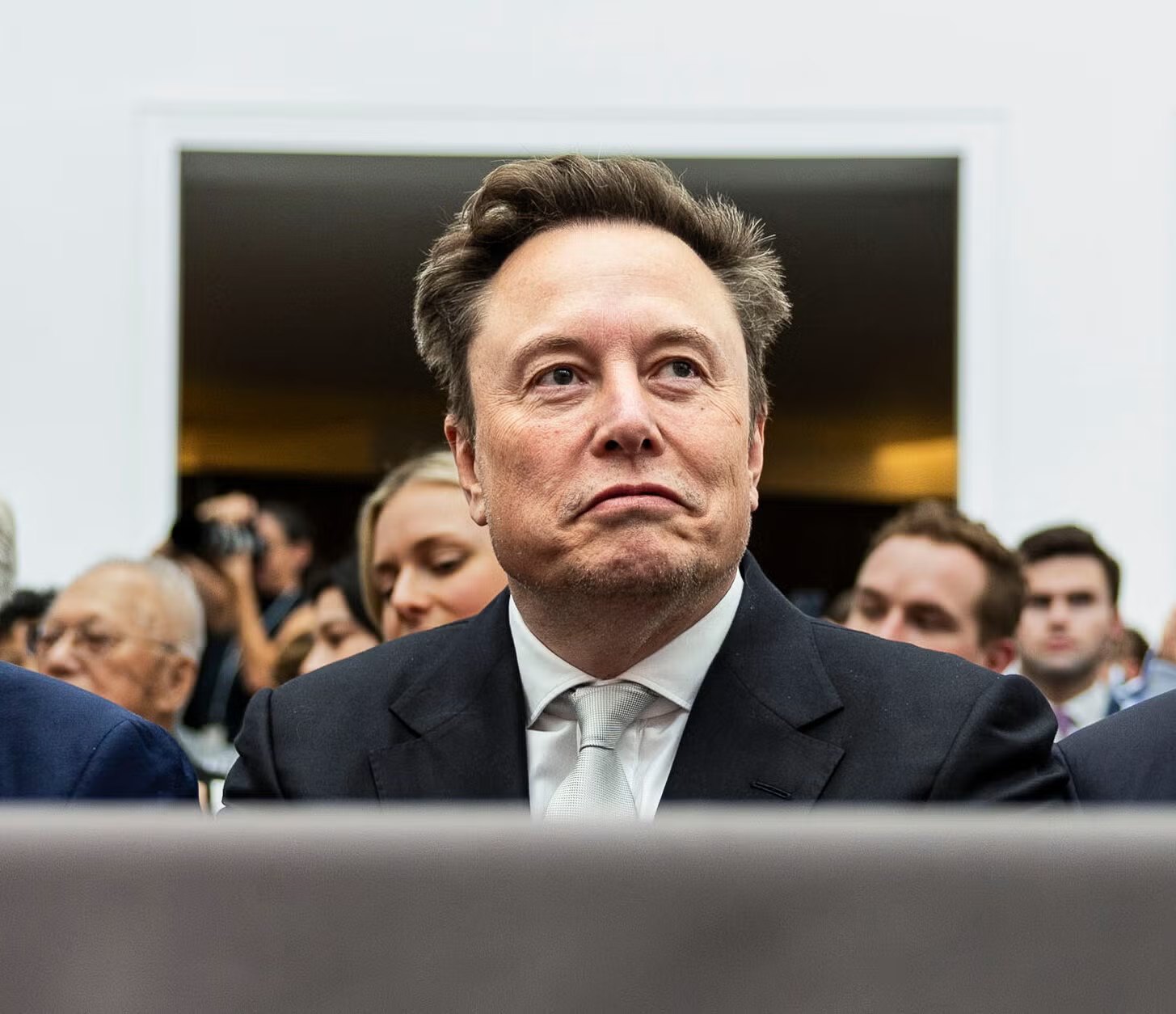
Elon Musk, the world's richest person, has noticeably scaled back his public political appearances lately, but he has not stepped away from the campaign. According to figures provided by his team, since July 2026 Musk has poured more than $276 million into Republican-aligned political organizations, making him the largest known individual donor of this midterm cycle. The latest figures have yet to be verified against Federal Election Commission filings.
I. The Money Map: Protecting the Senate Majority
The money is highly concentrated. The largest single sum — $158 million — went to the Senate Leadership Fund, a super PAC closely tied to the Senate Republican leadership that backs the party's Senate candidates. The intent could hardly be clearer: to supply the ammunition for holding the Republicans' Senate majority through a closely fought autumn.
Note: Total giving in the 2025–2026 cycle has reached roughly $366 million, surpassing the roughly $290 million of the 2024 cycle — including $276 million added since July 2026. Figures are drawn from Musk's team and public reports, pending FEC verification.
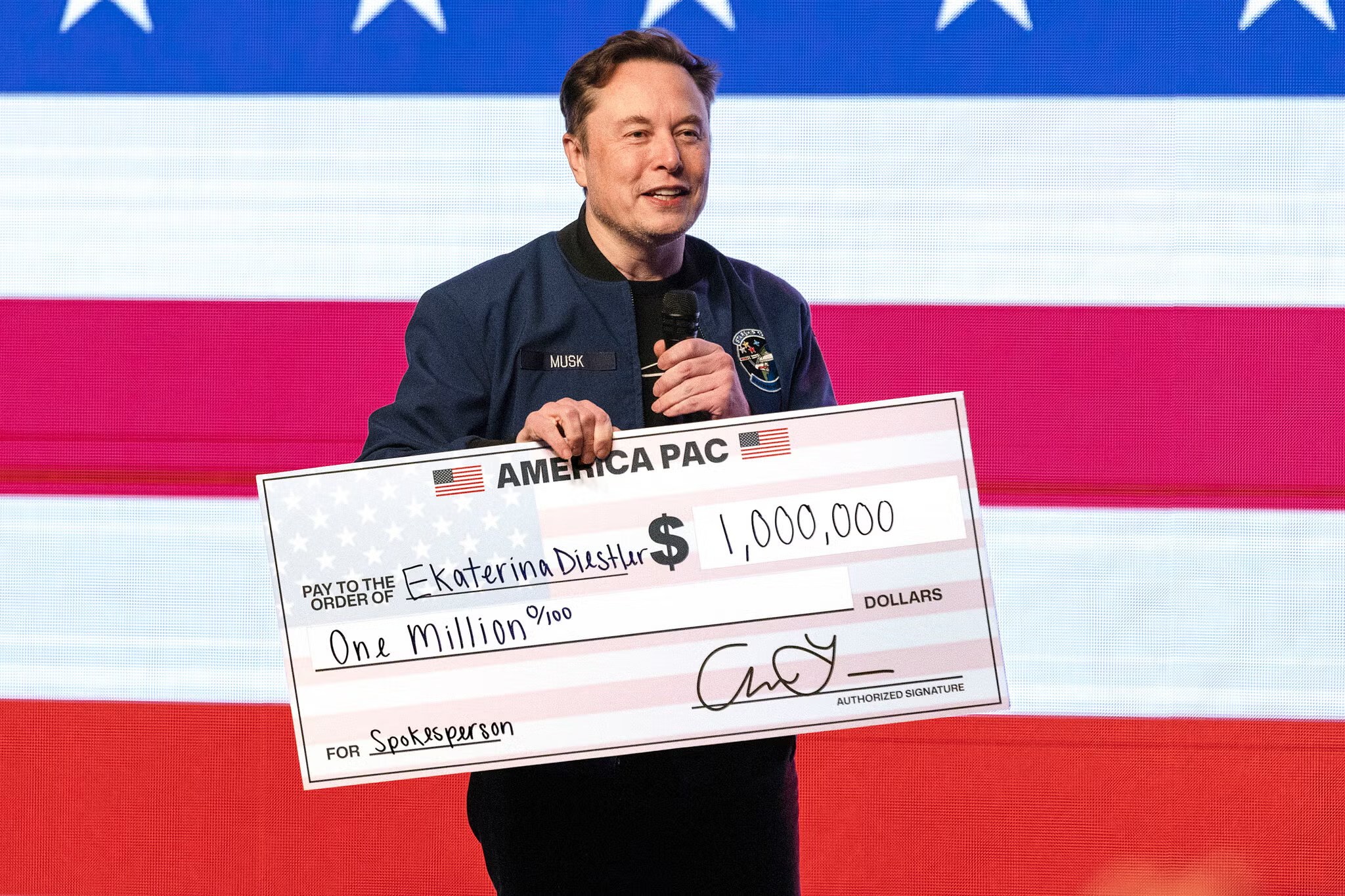
At the same time, Musk put more than $76 million into America PAC, the group he founded; gave $20 million to the House Republicans' political action committee; and donated $10 million to an organization supporting Ken Paxton, the Republican Senate candidate in Texas. He also provided funds to groups backing Republican candidates for governor and state attorney general.
Multiple public reports indicate that the Republicans' advantage in outside money is being stretched further. Although Democratic candidates in several key Senate races have outraised their Republican rivals, many in the party have begun to worry that, in total spending by super PACs and outside party groups, Democrats will be comprehensively outspent.
II. From Ad Blitzes to Door-Knocking
Unlike the blanket advertising of the 2024 presidential race, the emphasis this time has shifted clearly toward grassroots voter mobilization — what operatives call the "ground game."
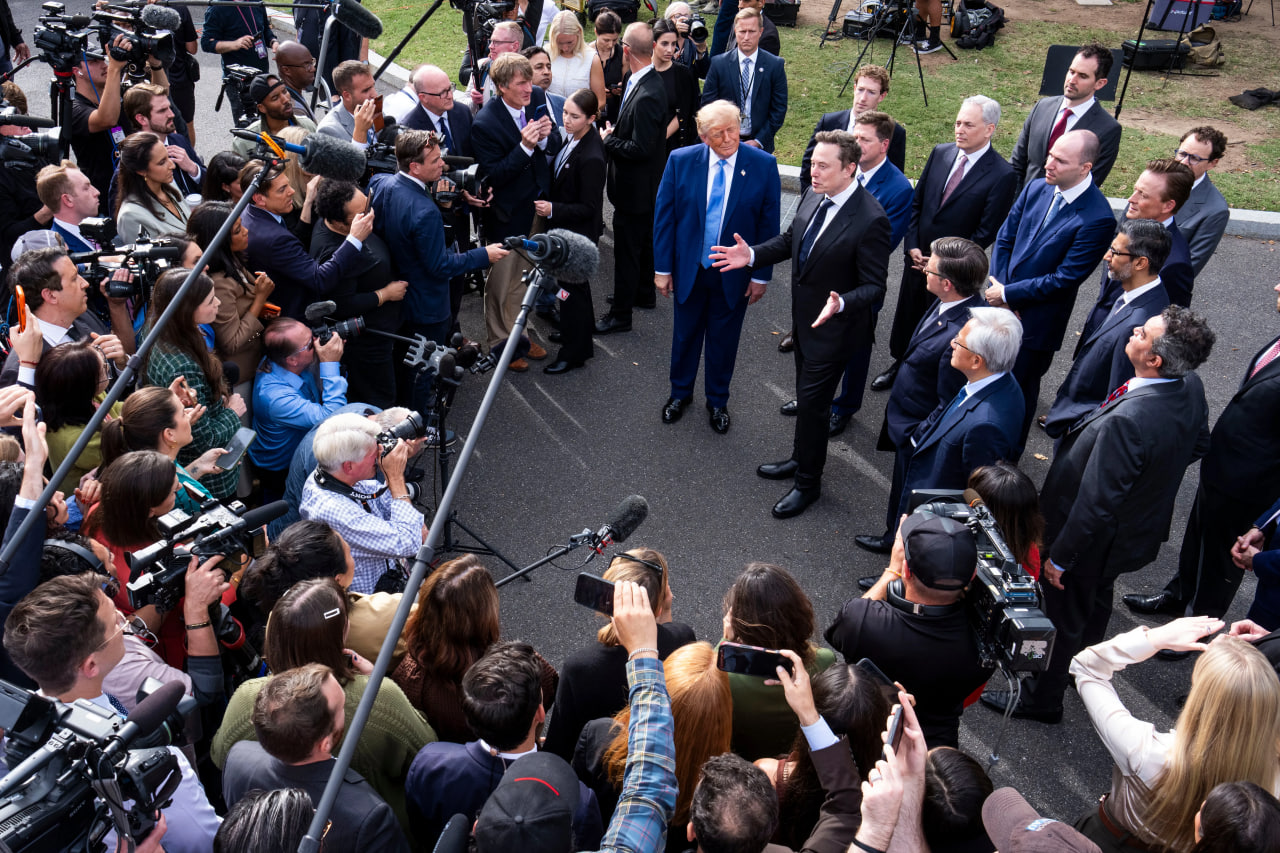
America PAC has built a mobilization network covering seven key Senate battlegrounds and nearly thirty House districts. The group says its teams have knocked on roughly 6.5 million doors nationwide, employing nearly 3,000 paid canvassers in the last week alone.
Notably, the main goal of this playbook is not to persuade swing voters but to mobilize — to turn out people who already lean conservative but vote inconsistently, and get them to the polls in a midterm year. As early as this summer, Musk authorized his super PAC to spend $100 million to $120 million across at least eight states on door-knocking, digital advertising and direct mail. The first Senate targets included Alaska, Iowa, Maine, Michigan and Ohio, with races in North Carolina, Georgia and Texas also under discussion.
“Midterms are not about who is louder — they're about whose supporters actually show up to vote.”
— A longtime analyst of U.S. campaign finance
III. The Texas Bet: A Third of Spending on One State
Of all the races, Texas has become the biggest focus of Musk's spending. His political operation has directed more than a third of its disclosed outlays into the state's U.S. Senate contest.

Musk's large donation to the Senate Leadership Fund also provided an important financial foundation for the group's subsequent $149 million advertising campaign backing Mr. Paxton. According to public reports, the ads focus largely on polarizing issues such as socialism and transgender policy, aiming to fire up conservative voters.
IV. Mending Ties With Trump, Stepping Back Personally
Another backdrop to this spending spree is the repair of Musk's relationship with President Trump. The two had previously fallen out publicly over issues including the budget bill: Musk resigned from the Department of Government Efficiency (DOGE) and at one point even threatened to form a third party called the "America Party." In April, after the Wisconsin Supreme Court candidate he had loudly backed lost, Musk said publicly that he would spend "a lot less" on political donations going forward.
But in the past two weeks, the two have appeared together at least three times and publicly praised each other. Compared with his high-profile presence on the trail during the 2024 race, this time Musk has chosen to stay behind the scenes — letting his money, rather than himself, take center stage.
V. A Number That Tops 2024
Zoom out, and the weight of these numbers becomes clearer: across the 2025–2026 election cycle, Musk has given roughly $366 million to federal political committees — more than the roughly $290 million he spent during the 2024 presidential race. And that does not include money routed through groups that are not required to disclose their donors.
With only weeks until Election Day, the effectiveness of this money will directly shape the balance of power on Capitol Hill and set the tone for the second half of Trump's second term. Whatever the outcome, the 2026 midterms have once again shown that, at the table of American politics, the world's richest man has never really left.
Editor's note: This article is an original synthesis based on reporting from multiple public sources. Donation figures come from information provided by Musk's team and from public reports; final amounts are subject to Federal Election Commission filings. The page design references the digital style of American broadsheet newspapers.